

We all want our kids to grow up having a healthy relationship with money. Financials are such a huge part of our lives and can either set you for success or stress. So what age is the best age to start teaching kids about money? The answer is right now. Whether they are age zero or eighteen, there are many ways to introduce financial education or get started saving. Be sure to check this page often for product spotlights as well as new financial tips!
Product Spotlight: Mobile Wallet
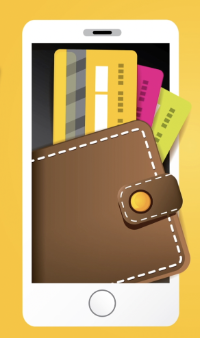
A mobile wallet is a way to carry your debit card or credit card information in a digital form on your mobile device. Instead of using your physical card to make a purchase, you can pay with your smartphone, tablet or smartwatch. Load your Citizens Bank Minnesota Mastercard® Debit Card into your Mobile Wallet, make it your default card and simply Tap - Pay - Done!
Why Should I Use A Mobile Wallet?
- It's a safer way to pay! Digital wallets generate a one-time-use number each time you shop to help keep your information private. Your payment information is never shared with merchants or stored on your device. Plus when you use your Citizens Mastercard® Debit Card, you're also covered with Mastercard® Zero Liability - so you're not liable for unauthorized purchases.
- It's easy and convenient! Stop fumbling with your wallet, pay with a simple tap, click or touch.
- It reduces your risk of losing your physical card as well as less wear and tear on it!
- You can use it online if the merchant accepts it!
Little Savers (ages 0-7)
Savings Accounts
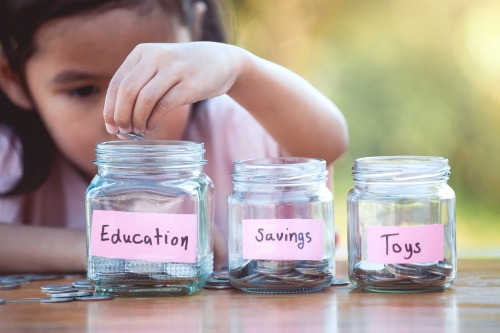
Starting a savings account when your child is young is an easy way to begin setting money aside in a safe place where it can grow over time. It helps build strong money habits early by encouraging regular saving, even in small amounts. A savings account also allows them to watch their money increase as you add to it, making it easier to reach future goals and learn the value of planning ahead.
We have a fun savings jar worksheet you can download! Have your child color in a circle in the jar each time they save money. Fill up the jar and start a new sheet!
Download Savings Jar Worksheet
Tweens (ages 8-13)
Earning Money & Saving 
Earning money by doing small jobs or taking on responsibilities, like helping with chores, babysitting, or running a lemonade stand , is a great way to learn how money works. When your children earn their own money, they start to understand the value of hard work and making thoughtful choices about how you spend it. It can be tempting to use it right away, but saving even a little bit each time helps them prepare for bigger goals in the future, like buying something special or handling unexpected needs. Building smart habits now, like saving and planning ahead, can help them feel more confident and responsible as they grow.
Parents! Do your kids earn money by doing chores? If so - we have a chore chart you can download, courtesy of www.todaysmama.com. Help your child cut out the chore circles and let them glue or tape them on the tracking path. Or they can cross off chore circles as they complete them!
Teens (ages 14-18)
Learn How To Spot Scams
Learning how to spot scams is an important skill as teens get older, especially since so much of their life is online. Scammers often try to pressure people with urgent messages (“act now or lose this opportunity”) or pretend to be someone you trust to get personal information like passwords, codes, or payment details. If something feels off - like a deal that sounds too good to be true, a random message asking for money, or a link you weren’t expecting - it’s okay to pause, double-check, and ask a trusted adult before responding. Building these habits now helps teens stay in control and protects their identity, money, and online reputation.
Download Spot the Scam Worksheet